




Guides for a first Bitcoin purchase
A first purchase does not have to be a whole coin. Each bitcoin divides into 100,000,000 units called satoshis, or sats. Exchanges let buyers spend a set amount in dollars, euros or pounds and receive the matching fraction.
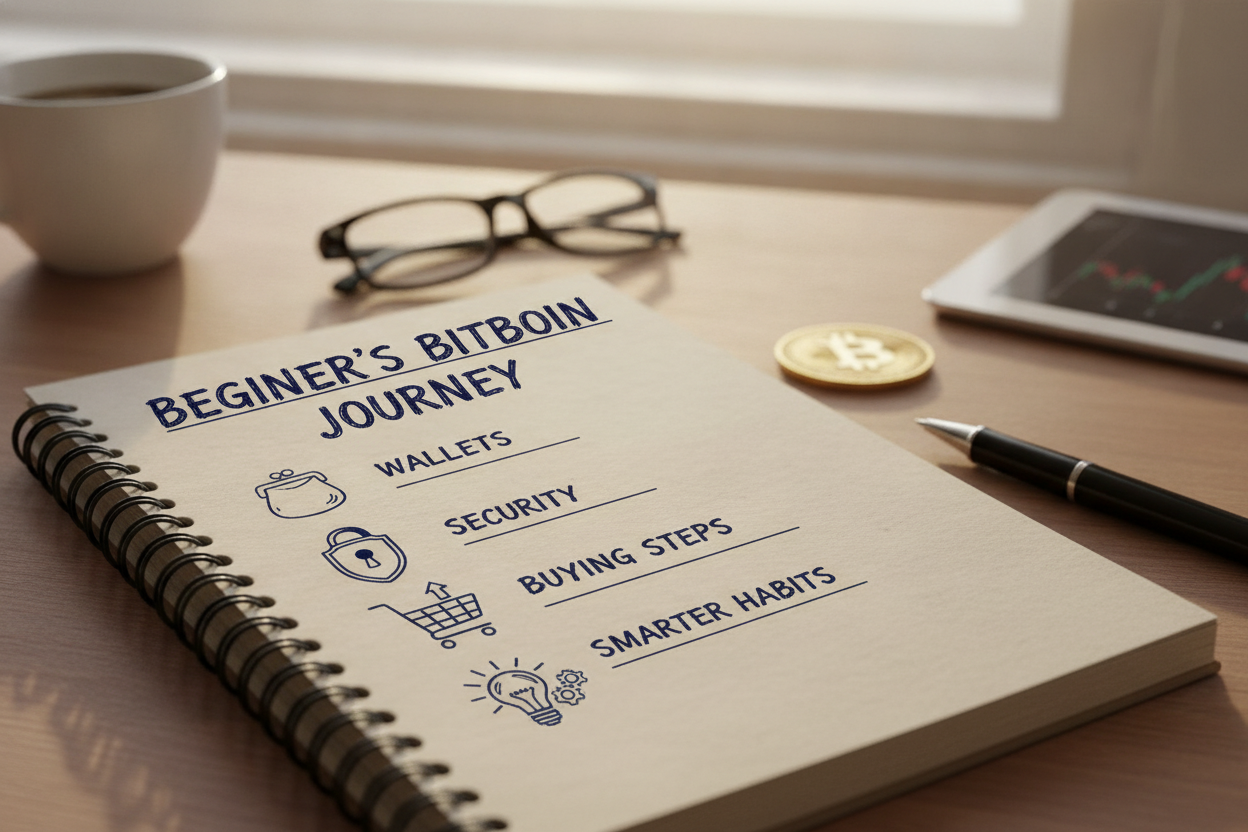
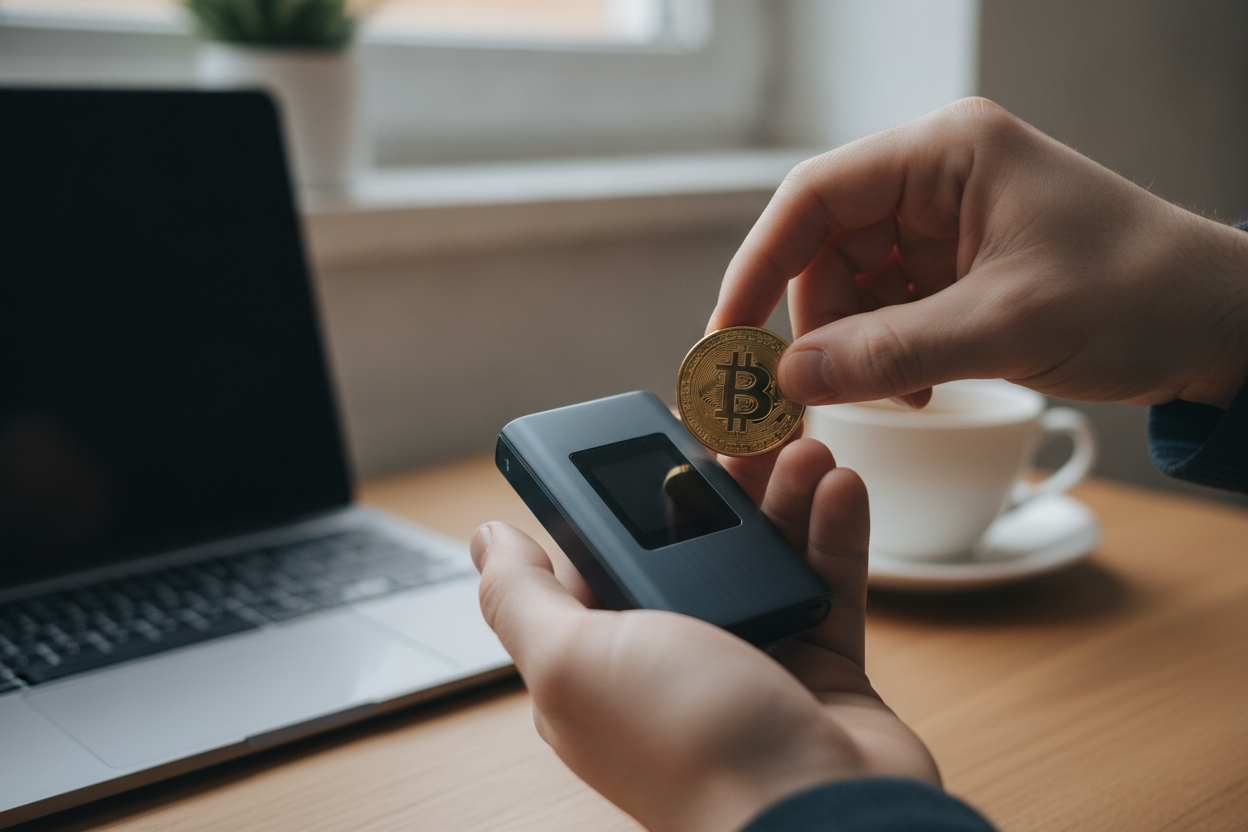
The beginner’s Bitcoin checklist sets out the order that keeps mistakes to a minimum. First, pick a regulated exchange and turn on two-factor authentication. Then make a small first buy. Finally, decide where to store the coins before the balance grows. Bitcoin wallets explained compares hot and cold wallets for that last step.
The converter below shows what any amount of sats is worth right now.
Bitcoin converter
1 BTC = $77,700.31 · €69,162.91 · £57,733.70
| 0.001 BTC | $77.70 |
|---|---|
| 0.01 BTC | $777.00 |
| 0.1 BTC | $7,770.03 |
| 0.5 BTC | $38,850.16 |
| 1 BTC | $77,700.31 |
| 5 BTC | $388,501.55 |
| 1,000 sats | $0.78 |
|---|---|
| 10,000 sats | $7.77 |
| 100,000 sats | $77.70 |
| 1,000,000 sats | $777.00 |
| 10,000,000 sats | $7,770.03 |
Average of major exchanges, refreshed every minute. 1 BTC = 100,000,000 sats.
Dollar-cost averaging and long-term plans
Dollar-cost averaging means buying a fixed amount at regular intervals, whatever the price that day. It spreads purchases across highs and lows, so there is no need to time the market. That is why many exchanges offer recurring buys as a built-in feature.
The calculator below tests any amount and schedule against Bitcoin’s price history back to August 2015. It can model weekly buys, monthly buys or a single purchase. The results show what happened in the past, not what will happen next. Bitcoin has also fallen by more than 70% several times along the way.
If you had invested in Bitcoin
$100 a month since January 2020 would be worth $22,162 today.
- Total invested
- $8,300
- Value today
- $22,162
- Profit or loss
- +$13,862 (+167%)
- Bitcoin bought
- 0.285222 BTC
ValueInvested
Uses weekly BTC/USD closes from Coinbase since August 2015 and today's price. Ignores fees and taxes. Past performance does not predict future returns. Not financial advice.
Market and research guides
Once the basics are in place, the next guides cover how to follow the market without reacting to every move. Building a crypto watchlist lists the data worth tracking each week, such as price, volume, exchange balances and ETF flows.
Bitcoin market sentiment signals explains how to read crowd mood. Safe crypto trading habits covers position sizing, order types and the routines that prevent costly errors.
Frequently asked questions
Is there a minimum amount needed to buy Bitcoin?
No fixed amount applies across the market. Each exchange sets its own minimum order size and fees. On very small purchases, a fixed fee can take a noticeable share of the money. For that reason, check the exchange’s fee schedule before buying small amounts.
Is it better to buy Bitcoin on an exchange or through an ETF?
Buying on an exchange means owning the bitcoin directly. The coins can be withdrawn to a personal wallet and sent anywhere. A spot Bitcoin ETF gives price exposure through an ordinary brokerage or retirement account instead. The fund holds the coins and charges an annual management fee. However, the shares cannot be withdrawn as bitcoin or used for payments.
Are these guides financial advice?
No. The guides explain how products and processes work so readers can make their own decisions. They do not recommend specific investments or amounts. Anyone unsure about their own situation should speak to a licensed adviser.